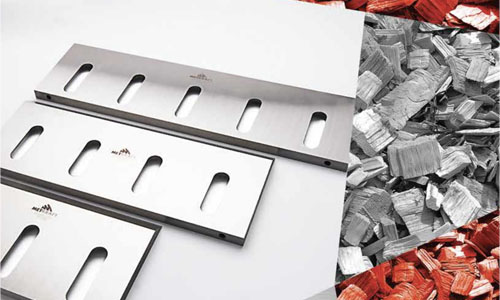
Wood chipping knife
Wood chipping knife metkraft
PRODUCT DESCRIPTION
There is no way you can hold up two sharp chipper knives side by side and tell which one is better. Some telltale signs, like cracking or flaking, can be easily seen by the eye. But the rest, you have to dig deeper and know the right questions to ask. To do that, it would do well to be informed on how a great chipper blade is made.
It all starts with great steel. Chipper steel"s main ingredients are iron, about 85 percent, alloyed with carbon, silicon, vanadium, manganese, molybdenum and chromium. The last three elements - especially chromium - are the most expensive, so cheaper steel will have less of these.